How to Reheat Leftovers Without Drying Them Out
Every leftover food loses moisture differently when reheated. Learn how to match soups, pasta, grains, roasted vegetables, and proteins to the right appliance—stovetop, oven, air fryer, or medium-power microwave—while hitting the 165°F safety mark.
The Golden Rule: Reheat Foods the Way They Were Cooked
When leftovers disappoint, it is almost always because we ask a single appliance—usually the microwave at 100% power—to reheat every texture on the plate at once. While chilled food sits in the refrigerator, starches in pasta, rice, and potatoes absorb free liquid from sauces, proteins tighten up, and crisp exteriors absorb ambient humidity from the container. Reheating everything the same way either steams crispy coatings into mush or boils the moisture out of lean meats.
The simplest rule in the kitchen is to reheat foods using the same heat transfer method that cooked them originally: wet dishes (soups, stews, braised meats, sauced pasta) belong on the stovetop or in a covered dish with a splash of added liquid, while dry-heat foods (roasted vegetables, baked potatoes, crispy tofu, or skin-on poultry) belong in a hot skillet, oven, or air fryer. For poultry-specific guidance, see how to keep chicken moist when reheating it.
Master Reheating Chart by Food Type
| Leftover Food | Best Appliance | Moisture / Setup Adjustment | Time & Target Temp |
|---|---|---|---|
| Pasta & Noodle Dishes | Skillet over medium-low heat (or 70% microwave) | Add 2 tbsp water, broth, or milk per cup of pasta; toss until glossy | 3 to 4 min to 165°F |
| Cooked Rice, Quinoa & Farro | Microwave covered (or steamer basket) | Sprinkle 1 tbsp water per cup; cover with plate or damp towel | 60 to 90 sec (2 min from frozen) to 165°F |
| Roasted Vegetables & Potatoes | Air fryer at 375°F or oven at 400°F (or dry cast-iron skillet) | Single layer, uncovered; mist with 1/2 tsp oil if dry | 4 to 7 min until crisp and 165°F |
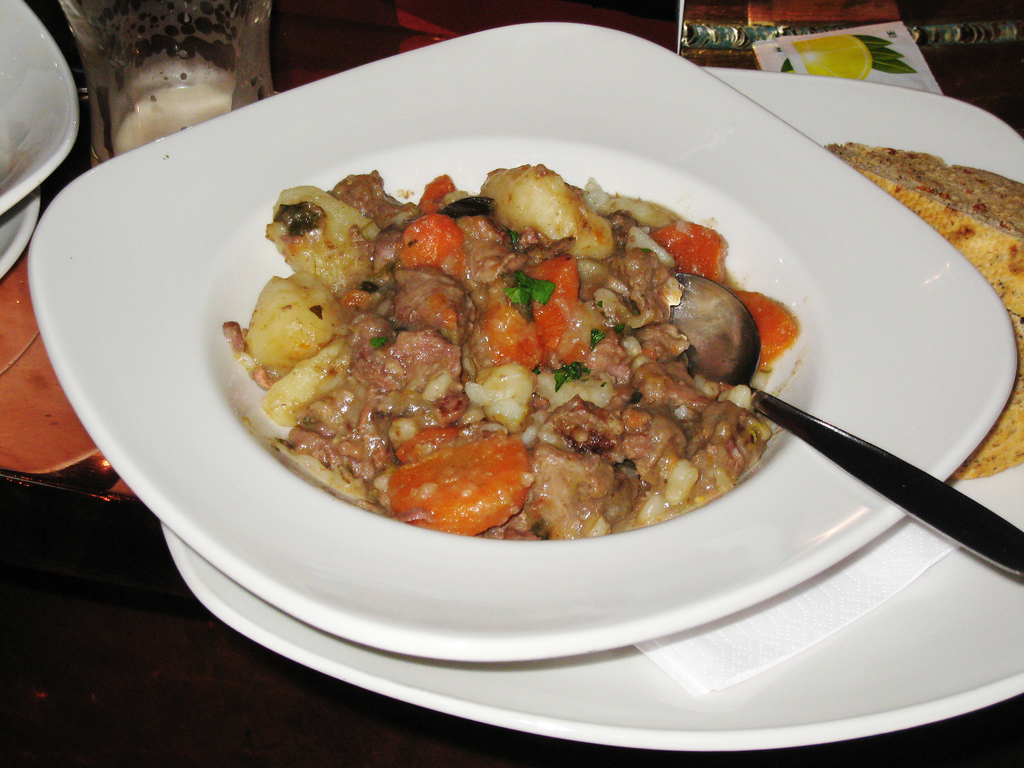
| Soups, Stews, Chili & Curry | Saucepan over medium heat | Add a splash of water or broth if thickened in fridge; stir often | Bring to a rolling boil (≥165°F) |
| Cooked Fish & Seafood | Oven at 275°F covered in foil (never high microwave) | Add 1 tbsp broth or lemon juice inside foil packet | 10 to 12 min to 165°F |
| Casseroles, Lasagna & Enchiladas | Oven at 350°F | Add 2 tbsp water around edges; cover with foil for first 15 min, uncover last 5 min | 20 to 25 min to 165°F in center |
Step-by-Step: The Ring-and-Cover Technique for Even Microwaving
Reviving Roasted Vegetables and Crispy Items in Dry Heat
If you microwave leftover roasted broccoli, sweet potato wedges, or breaded cutlets, trapped steam immediately softens their browned crust. Instead, spread them in a single uncrowded layer in a preheated 375°F air fryer or 400°F oven for 4 to 6 minutes (see air frying vs. baking for why circulating hot air re-crisps food so quickly).
USDA Leftover Safety: Storage, Cooling, and the 165°F Rule
According to USDA FSIS Leftovers and Food Safety, follow these non-negotiable food safety benchmarks:
- 2-Hour Cooling Rule: Refrigerate cooked food within 2 hours of cooking (1 hour if above 90°F). Divide large pots of soup or stew into shallow containers (2 inches deep or less) so they cool below 40°F rapidly.
- 3-to-4-Day Refrigerator Limit: Consume refrigerated leftovers within 3 to 4 days, or freeze them at 0°F (see how to freeze cooked rice safely).
- 165°F Reheat Target: Always reheat leftovers to 165°F (74°C) measured in several places with a food thermometer, and bring liquid soups, gravies, and sauces to a full rolling boil.
Mistakes That Ruin Leftover Texture and Safety
Never reheat leftovers in a slow cooker (which keeps food in the 40°F–140°F danger zone too long), and avoid reheating the same big container multiple times—instead, portion out only what you will eat right now. Explore more in Healthy Meal Prep.
When packing leftovers for next-day lunches, store sauces, gravies, and dressings in a small separate container whenever possible so breads, grains, and roasted vegetables keep their original texture until you warm them up.
Key Takeaway
Add a splash of water or broth and cover starches and proteins, use dry heat (oven, skillet, or air fryer) for roasted or crispy items, and always reheat leftovers to an internal temperature of 165°F.
Sources:
- USDA FSIS — Leftovers and Food Safety (USDA Food Safety and Inspection Service)