What Can You Use Instead of Eggs in Baking?
The right egg substitute depends on what the egg does in your recipe—binding, leavening, or moisture. Compare flax eggs, applesauce, aquafaba, and yogurt with exact per-egg ratios and know which recipes can't be swapped.
The Egg's Three Jobs in Baking
Before reaching for a substitute, figure out which of three roles the egg plays in your recipe. Binding means holding the structure together—egg proteins set during baking and keep cookies, bars, and quick breads from crumbling. Leavening means lift: beaten eggs trap air and steam that help cakes and muffins rise. Moisture and richness is the quiet third job—the yolk's fat and the white's water tenderize crumb and keep baked goods from drying out.
Most everyday recipes (muffins, pancakes, brownies, quick breads, cookies) lean on eggs mainly for binding plus moisture, and those are the easiest to swap. The substitute that mimics one job perfectly can fail at another, which is why the chart below is organized by function rather than by ingredient.
Egg Substitute Ratio Chart
| Substitute (per 1 egg) | Amount | Best For (Job) | Notes |
|---|---|---|---|
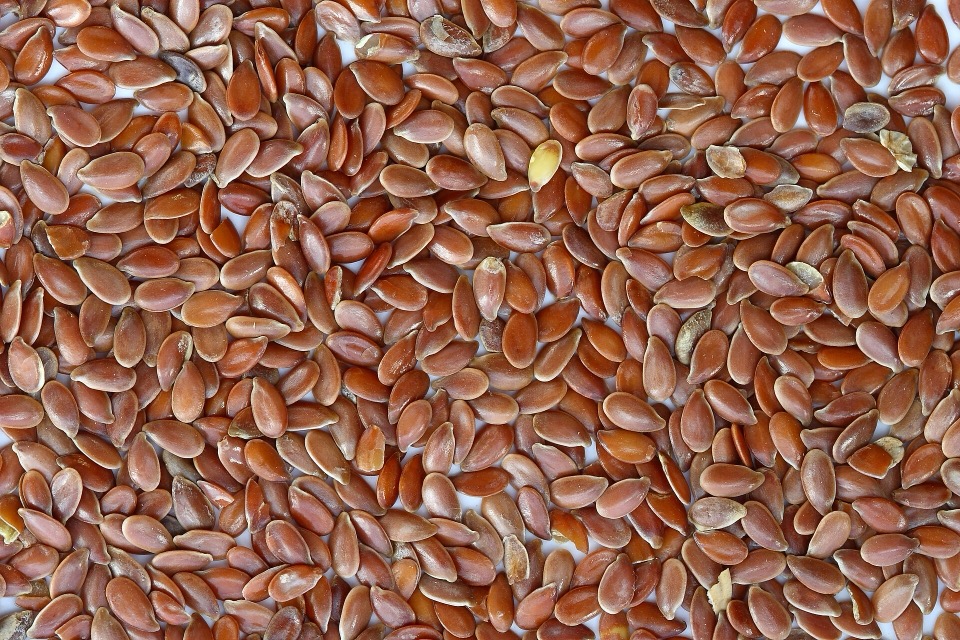
| Ground flaxseed + water | 1 Tbsp flax meal + 3 Tbsp water, rest 5 min | Binding — muffins, cookies, bars | Visible flecks; nutty hint |
| Chia seeds + water | 1 Tbsp chia + 3 Tbsp water, rest 5 min | Binding — quick breads, pancakes | Seeds stay visible |
| Unsweetened applesauce | ¼ cup | Moisture — cakes, muffins, brownies | Denser, moister crumb |
| Mashed ripe banana | ¼ cup | Moisture + binding — breads, pancakes | Noticeable banana flavor |
| Plain yogurt or buttermilk | ¼ cup | Moisture + tenderness — cakes, muffins | Adds pleasant tang |
| Aquafaba (chickpea liquid) | 3 Tbsp, whipped to foam | Leavening — cakes, meringue-style | Whip like egg whites |
| Silken tofu, puréed | ¼ cup | Binding + moisture — brownies, dense cakes | Neutral taste, heavy crumb |
| Carbonated water | ¼ cup | Lift only — pancakes, light cakes | No binding; add at the end |
Step-by-Step: Making and Using a Flax Egg
Best Substitute by Recipe Type
Muffins and quick breads: flax eggs or yogurt—these batters are thick enough that binding matters more than lift, and both keep the moist, tender crumb you want from moist healthier muffins. Cookies and bars: flax or chia eggs, since spread and chew depend on binding; applesauce makes cookies cakey. Cakes: ¼ cup yogurt or applesauce per egg plus the extra-baking-powder boost. Pancakes: banana or carbonated water stirred in last for lift. Brownies: puréed silken tofu or applesauce—dense batters forgive almost anything except weak binding.
When the goal is cutting fat or calories rather than removing eggs entirely, compare these options against the fat-side swaps in butter substitutes for baking and the sweetness adjustments in sugar substitutes for recipes; changing two major ingredients at once compounds the texture risk, so keep a light hand.
Commercial Egg Replacers and Allergy Notes
Powdered commercial egg replacers (typically potato starch, tapioca starch, and leavening blends) are worth keeping in the pantry for frequent egg-free baking: they mix with water at the package ratio, taste completely neutral, and bind reliably in cakes and cookies where fruit-based swaps would add unwanted flavor. For bakers working around an egg allergy rather than a preference, remember that "egg-free" also means checking labels on the substitutes themselves—some margarines, protein powders, and packaged egg replacers are produced on shared lines, and aquafaba from home-cooked chickpeas avoids that uncertainty entirely.
The 3-Egg Limit and Unswappable Recipes
Substitutes hold up when a recipe calls for one or two eggs; beyond three, structure genuinely depends on egg protein and swaps start to fail—extension guidance from University of Minnesota Extension notes that egg substitutes do not work well in recipes with more than three eggs. Angel food cake, sponge cake, soufflés, and meringues are off the table entirely because whipped egg whites are the structure, not just an ingredient. Custards, quiches, and curd-based fillings also rely on eggs' unique ability to set gently; a swap produces a loose or rubbery filling rather than a creamy one.
Common Egg-Swap Mistakes
Using whole flax or chia seeds: the gel never forms—always grind or buy meal. Expecting applesauce to bind: it moistens but does not hold, so bars crumble; pair it with a binder or pick flax. Doubling substitutes in a 4-egg cake: switch to a recipe developed egg-free instead of forcing a swap past its limit. Adding carbonated water early: the bubbles dissipate during mixing—stir it in right before the batter hits the pan. Skipping the doneness check: egg-free batters brown differently and can look done while still wet inside.
Key Takeaway
Match the substitute to the egg's job—flax egg for binding, applesauce or yogurt for moisture, aquafaba for lift—stay under the 3-egg limit, and add a pinch of extra baking powder when the recipe needs lost leavening back.
Sources:
- University of Minnesota Extension — Egg Substitutions for Baking (University of Minnesota Extension)
- USDA FoodData Central — Egg and Substitute Nutrition (U.S. Department of Agriculture)