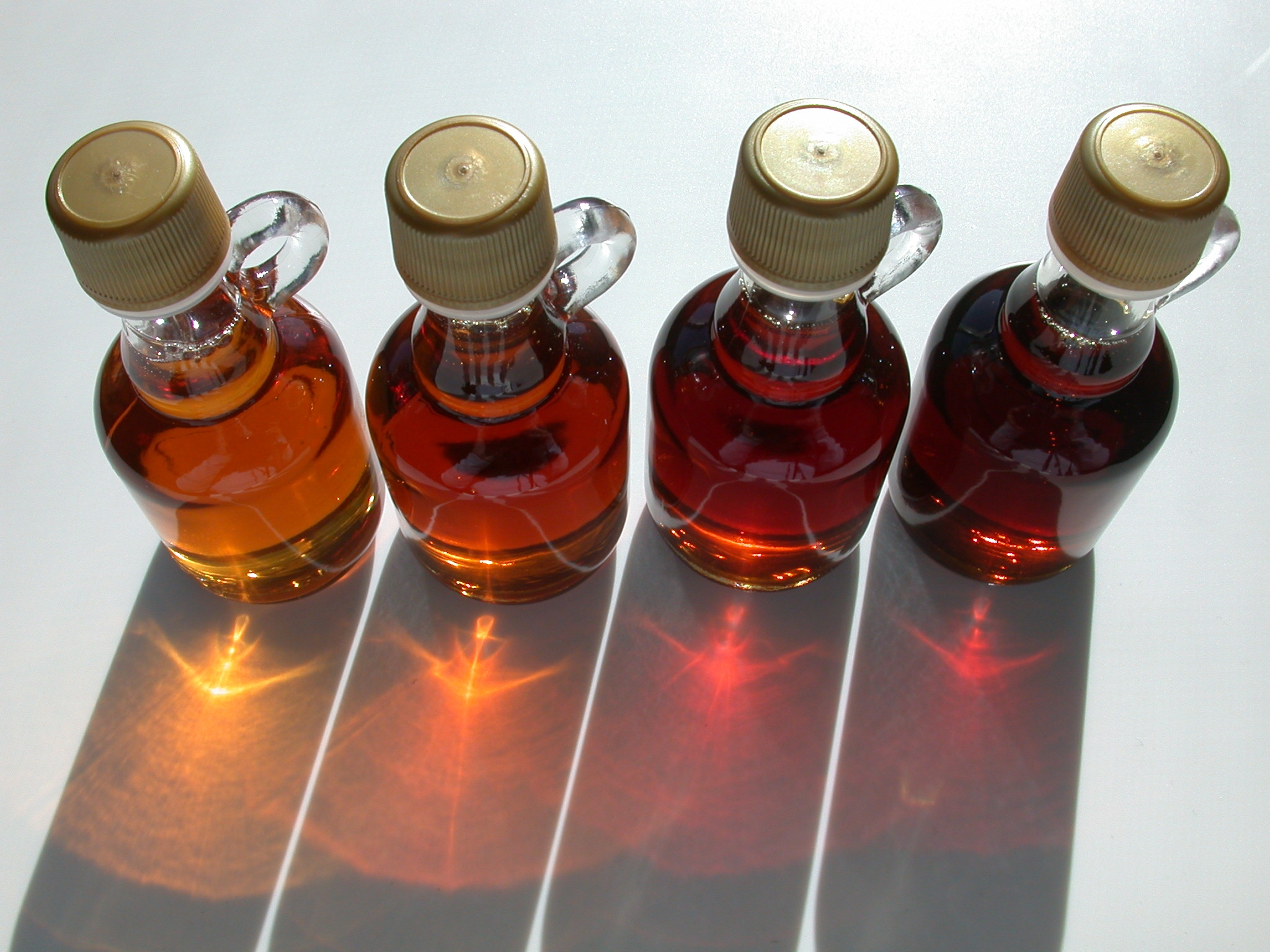
How to Replace Sugar in Homemade Recipes
Sugar does far more than sweeten recipes—it holds onto moisture, browns crusts, and tenderizes flour. Learn how to cut granulated sugar by 25% to 33% or swap in maple syrup, honey, mashed banana, or date paste with exact liquid adjustments.
The Structural Role of Sugar in Baking and Cooking
When you read a muffin or cookie recipe that calls for 1 cup of granulated white sugar, only part of that sugar is there for sweetness. Sucrose is hygroscopic—meaning it attracts and locks onto water molecules. Inside a baking cake or loaf, sugar competes with flour proteins and starches for water, delaying gluten formation and starch gelatinization so the crumb rises high and stays soft for days. Sugar also promotes Maillard browning and caramelization on crusts.
Note that from a nutritional standpoint, the U.S. Food and Drug Administration (FDA) classifies honey, maple syrup, coconut sugar, and agave as added sugars alongside white cane sugar, whereas whole mashed fruits (bananas, dates, applesauce) provide intrinsic fruit sugars bound up with dietary fiber. Choosing the right strategy—whether simply reducing total sugar by a third, swapping in whole fruit, or using a smaller measure of floral honey or maple syrup—depends on the dish you are making.
First Step: Reduce Sugar Before Substituting
Before reaching for an expensive alternative sweetener, test the simplest adjustment: cut the recipe's granulated or brown sugar by 25% to 33% without changing anything else. If a blueberry muffin recipe calls for 1 cup (200 g) of sugar, use 2/3 cup (135 g) and add 1/2 teaspoon of pure vanilla extract plus 1/4 teaspoon of ground cinnamon or grated lemon zest. Warm spices and vanilla trigger sweet aroma perception in the nose, making a 30%-lower-sugar bake taste completely balanced without altering batter chemistry. We use this exact principle in our guide on making healthier muffins without losing moisture.
Sugar Substitution Ratio and Adjustment Table
| Sweetener Swap | Amount for 1 Cup White Sugar | Liquid & Leavening Adjustment | Oven Temp Adjustment |
|---|---|---|---|
| Pure maple syrup | 3/4 cup (180 ml) | Reduce other liquid by 3 tbsp | Lower oven by 25°F (15°C) |
| Liquid honey (clover or wildflower) | 2/3 cup (160 ml) | Reduce liquid by 3 tbsp + add 1/4 tsp baking soda | Lower oven by 25°F (15°C) |
| Coconut palm sugar | 1 cup (1:1 by volume/weight) | None (granulated crystal) | None (gives butterscotch color) |
| Mashed very ripe banana | 3/4 cup mashed banana (swap up to 50%–75% of sugar) | Reduce milk/water by 2 tbsp per cup banana | Check 3 minutes early |
| Blended Medjool date paste | 3/4 cup date paste (soaked dates blended with warm water) | Reduce liquid by 2 tbsp | Lower oven by 15°F–25°F |
| Unsweetened applesauce | 3/4 cup (best as a 50% sugar swap) | Reduce milk/liquid by 3 tbsp | None |
Step-by-Step: Swapping Liquid Sweeteners Into Dry-Sugar Recipes
Using Whole-Fruit Purees for Sweetness and Fiber
When you want to replace refined sugar with whole fruit that retains its natural fiber, heavily speckled brown bananas and pitted Medjool dates are the two most effective kitchen staples. Simmer 1 cup of pitted dates in 1/2 cup of hot water for 5 minutes, then blend into a thick, caramel-like paste that works beautifully in brownie batters, oatmeal bars, barbecue sauces, and homemade salad dressings. For additional practical ideas, see USDA MyPlate's guide to cutting back on sweet treats and our overview of Healthy Ingredient Swaps.
Common Sugar-Swap Mistakes and Fixes
- Loaf exterior is dark mahogany while the center is still wet batter: Fructose in honey or maple syrup browned the crust early. Tent the top loosely with aluminum foil for the final 12 minutes of baking and drop the oven temperature by 25°F.
- Baked goods dry out by day two: Cutting sugar by more than 50% without adding moisture-binding ingredients leaves starch unprotected. Pair reduced sugar with moisture-retaining fats or yogurt as explained in butter substitutes for baking.
Key Takeaway
Start by cutting recipe sugar by 25% to 33% and boosting vanilla or warm spices; when swapping in honey, maple syrup, or fruit purees, reduce other recipe liquids by 2 to 3 tablespoons per cup and lower oven heat by 25°F.
Sources:
- USDA MyPlate — Cut Back on Added Sugars Guide (U.S. Department of Agriculture)
- FDA — Added Sugars on the Nutrition Facts Label (U.S. Food and Drug Administration)