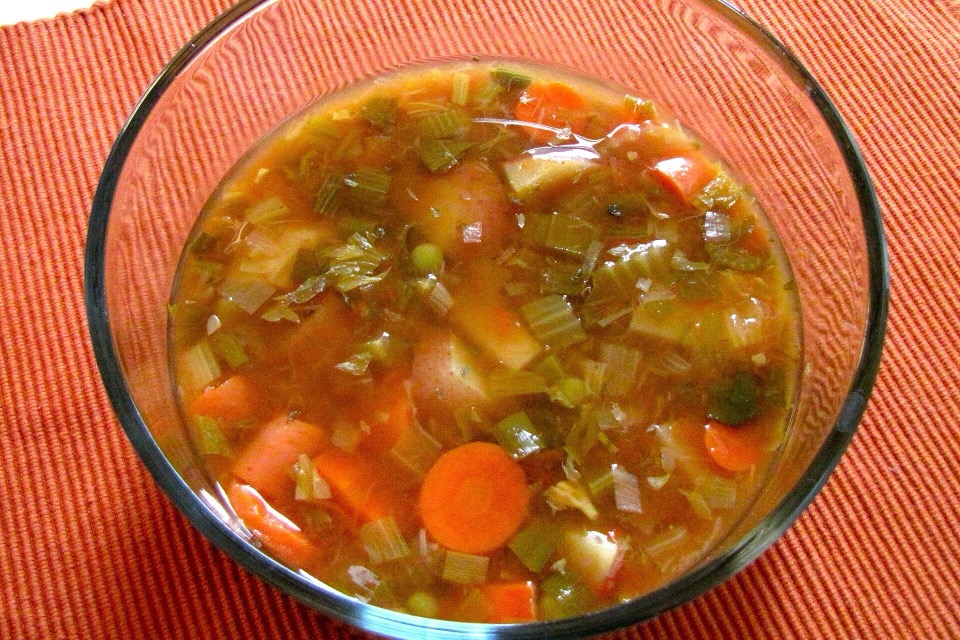
How to Fix Oversalted Food (Soups, Stews, and More)
A dish that is too salty can often be saved by diluting with unsalted liquid, bulking up with starchy ingredients, balancing with acid, or coating the palate with dairy. Learn which fix fits each dish and how to prevent it next time.
First, Assess How Salty It Really Is
Before fixing anything, take one honest spoonful and place the dish on a scale from mildly overseasoned to genuinely inedible. Mildly salty means the dish is edible but the salt dominates the finish—this usually needs only balancing, not dilution. Clearly oversalted means each bite makes you reach for water; these dishes need their salt concentration physically lowered. Inedible means a full teaspoon went in where a pinch belonged, and the only real rescue is making more of the dish without salt and combining the two batches.
Temperature matters when you judge. Food tastes saltier as it cools toward room temperature because volatile aromatics fade while sodium stays constant, so taste a small cooled spoonful—not just the steaming ladle—before deciding how aggressive to get.
Fix 1: Dilute With Unsalted Liquid
Dilution is the only fix that literally removes salt concentration, and it is the first move for soups, stews, sauces, braises, and chili. Add water or unsalted/low-sodium broth in small additions—half a cup at a time for a pot of soup—simmering and tasting between each. Regular boxed broth usually makes things worse, since most contains 400–900 mg of sodium per cup; reach for cartons labeled unsalted or no-salt-added.
Dilution flattens more than salt, so rebuild afterward: a fresh handful of herbs, a grind of pepper, or a splash of the original base (crushed tomatoes in a tomato soup, for instance) restores depth without adding sodium back. This layering instinct is the same one behind cooking with less salt and more flavor.
Fix 2: Bulk Up With Unsalted Ingredients
For soups, stews, and chilis, the most effective rescue is adding more of what is already in the pot—unsalted. Diced potatoes, canned beans rinsed and drained (choose no-salt-added), rice, small pasta, or extra vegetables all cook in the seasoned liquid and absorb salt into their own bulk while increasing the total volume of the dish. Twenty minutes of simmering cubed potatoes in an oversalted stew measurably dilutes every bowl.
For cooked grains and pasta that came out too salty, the fix is blunter: drain, rinse briefly with hot water, and return to the pot with a spoonful of unsalted sauce or olive oil. For oversalted cooked vegetables, toss them with a batch of unsalted steamed vegetables or fold them into an omelet, fried rice, or grain bowl where they season the whole dish rather than standing alone.
Fix 3: Balance With Acid, Dairy, or Sweet
Balancing does not remove salt—it changes how your palate perceives it. Acid is the strongest counterweight: a squeeze of lemon or lime, or a teaspoon of vinegar stirred into the pot, brightens flavors and pulls attention off the salinity. Add it a teaspoon at a time and taste, since too much simply trades one problem for another. Dairy coats the palate and mutes salt perception: a swirl of cream, plain yogurt, a pat of butter melted into a sauce, or a dollop of unsalted sour cream on a salty curry all soften the edge. A small pinch of sugar rounds out salty-acidic dishes like tomato sauce—but only a pinch, and only after acid and dilution have done the heavy lifting.
Step-by-Step: Rescuing an Oversalted Soup
Rescuing Solid Foods: Meat, Rice, and Vegetables
Solid foods cannot be diluted from inside, so the strategy shifts to the plate. For oversalted cooked meat or poultry, slice it and serve over unsalted rice, grains, or a no-salt pan sauce built from the drippings thinned with water or unsalted stock; pulling shredded meat through a quick rinse of warm water works in emergencies for taco and sandwich fillings. Oversalted rice and quinoa rinse clean under hot water in a strainer. For a too-salty stir-fry or sauté, double the batch with unsalted vegetables and protein—the same dilution logic, applied to the pan rather than the pot.
Why the Raw Potato Trick Barely Works
The famous advice—drop a whole raw potato into a salty soup and let it soak up the salt—is mostly kitchen folklore. A peeled potato sitting in hot liquid does absorb some seasoned water, but only the small amount that cooks into its own cells; the salt dissolved throughout the rest of the pot barely drops. What does work is the covered version of the same idea: adding enough diced potatoes (or beans, grains, or pasta) to the soup that they become a significant share of its volume and cook through, genuinely redistributing the salt across more food. The potato is not a magnet—it is just more dinner.
Preventing Oversalting Next Time
Most oversalting comes from a short list of repeat causes. Salt-type mismatch: a tablespoon of fine table salt delivers roughly twice the sodium of a tablespoon of Diamond Crystal kosher salt because fine crystals pack densely—check what the recipe assumed, the same way the brine discussion in cooking dried beans depends on measured amounts. Hidden sodium: boxed broths, spice blends, canned beans, cheese, and condensed soups all carry their own salt, so season after adding them, not before. Reduction: a soup that simmered down a third concentrates salt the same amount, so underseason early and finish at the end. And taste as you go—salt added in two or three measured passes almost never overshoots the way one big shake does. For the flip side of the same skill, the finishing techniques in making vegetables taste better without extra salt keep flavor high while sodium stays moderate, in line with FDA sodium guidance.
Key Takeaway
Dilute with unsalted liquid or bulk ingredients first, then balance with acid and dairy; skip the raw potato myth, and prevent repeat offenders by matching your salt type, watching hidden sodium, and seasoning in small passes.
Sources:
- FDA — Sodium in Your Diet (U.S. Food and Drug Administration)
- USDA MyPlate — Salt and Sodium Tip Sheet (U.S. Department of Agriculture)