How to Add Flavor to Food With Less Salt
Cutting back on table salt does not mean resigning yourself to flat, bland meals. Learn how citrus acids, toasted spices, browned alliums, natural glutamates, and surface-finishing salt keep savory dishes vibrant.
Why Food Tastes Flat When You Just Omit Salt
Sodium chloride does more than make food taste salty: at low concentrations it suppresses bitterness, amplifies volatile aroma release, and makes savory and sweet notes pop on the tongue. According to the U.S. Food and Drug Administration (FDA), the recommended Daily Value for sodium is less than 2,300 milligrams per day—roughly the amount in a single level teaspoon of table salt. When home cooks simply cut the salt in a soup or skillet recipe in half without changing anything else, the dish tastes muted and one-dimensional.
The solution is not willpower; it is recruiting the other four sensory channels on your palate—acidity, umami (savory amino acids), aromatic volatile oils from herbs and toasted spices, and Maillard browning—so a fraction of the usual salt delivers full satisfaction. For vegetable-specific seasoning ideas, see our companion guide on how to make vegetables taste better without extra salt.
Use Acid to Wake Up Salt Receptors
Sourness and saltiness share overlapping perceptual pathways on the sides of the tongue. Adding 1 to 2 teaspoons of an acidic ingredient right before serving makes a low-sodium soup, lentil stew, roasted chicken, or sauteed green vegetable taste noticeably brighter and more seasoned. Keep these culinary acids within reach of the stove:
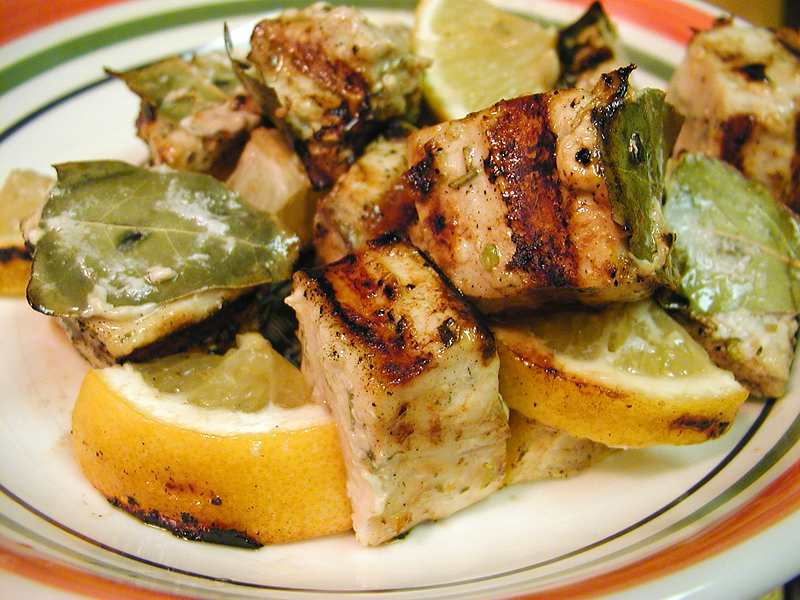
- Fresh citrus juice and grated zest: Lemon, lime, and orange zest add aromatic citrus oils with zero acid burn, while a squeeze of juice at the end lifts roasted fish, broccoli, and grain bowls.
- Unseasoned vinegars: Sherry vinegar, apple cider vinegar, red wine vinegar, and balsamic vinegar each bring distinct fermented complexity to pan sauces and beans. (Check labels on rice vinegar: buy "unseasoned" rice vinegar rather than "seasoned," which contains added salt and sugar.)
Build Natural Umami With Low-Sodium Ingredients
Umami—the savory depth triggered by natural glutamates and nucleotides—creates lingering mouthfeel that reduces the need for heavy salting. Unlike cured meats or bottled soy sauces that pack 900 mg of sodium per tablespoon, whole-food umami builders contain almost no intrinsic sodium:
- Fresh and dried mushrooms: Cremini, shiitake, and dried porcini mushrooms (or a 1/2 teaspoon of ground dried mushroom powder) add deep, meaty richness to broths, gravies, and stir-fries.
- Caramelized tomato paste: Cooking 1 tablespoon of no-salt-added tomato paste in oil for 90 seconds until brick-red concentrates natural glutamates and sugars.
- Slow-browned alliums: Onions, shallots, leeks, and garlic cooked until golden release savory sulfur and sugar compounds that anchor sauces without salt.
- Nutritional yeast: Two teaspoons of flaky nutritional yeast add a cheesy, nutty note to roasted popcorn, mashed potatoes, and creamy sauces made without heavy cream.
Step-by-Step Flavor Layering Method
Salt Crystal Size and Surface Placement
Not all spoons of salt contain the same amount of sodium. Fine table salt has tiny, dense cubic crystals that pack tightly—one teaspoon weighs about 6 grams and contains roughly 2,300 mg of sodium. Coarse kosher salt (such as Diamond Crystal) has hollow, flaky crystals that weigh roughly half as much per teaspoon (about 2.8 to 3 grams, or ~1,120 mg sodium). Switching from fine table salt to coarse kosher salt or flaky sea salt makes it much easier to pinch and scatter a light, even dusting on food surfaces. For timing herbs and spices across cooking stages, read when should you add herbs and spices while cooking and check USDA MyPlate sodium tips.
Hidden Kitchen Sodium Sources to Swap
Most dietary sodium in home cooking sneaks in through store-bought condiments, broths, and spice blends rather than the salt shaker. Swap standard boxed chicken broth (750–850 mg sodium per cup) for unsalted stock (70 mg), replace garlic salt with pure granulated garlic powder, and rinse canned beans under cold running water in a colander for 30 seconds to wash away roughly 35% to 40% of the canning brine sodium. Browse more smart pantry upgrades in Healthy Ingredient Swaps.
Key Takeaway
Replace heavy mid-cooking salt with browned aromatics, toasted spices, mushroom or tomato umami, a bright splash of lemon or vinegar at the finish, and a light surface pinch of flaky salt.
Sources:
- FDA — Sodium in Your Diet: Use the Nutrition Facts Label and Reduce Your Intake (U.S. Food and Drug Administration)
- USDA MyPlate — Salt and Sodium Reduction Kitchen Tips (U.S. Department of Agriculture)