How to Make Vegetables Taste Better Without Extra Salt
Many people think they dislike Brussels sprouts, broccoli, or carrots when they really dislike boiled, bitter, unseasoned vegetables. Learn how browning, natural sweetness, citrus zest, toasted nuts, and aromatic oils transform everyday produce.
Why Plain Cooked Vegetables Often Taste Bitter or Flat
Vegetables such as Brussels sprouts, broccoli, kale, cauliflower, and turnips contain protective plant compounds—including glucosinolates and polyphenols—that register as bitter or astringent on human taste buds. When those vegetables are boiled or over-steamed in plain water, their cell walls rupture and release sulfurous gases while natural sugars leach into the cooking water. Without salt, fat, or acid to balance those bitter notes, the result tastes harsh and sulfurous.
Making vegetables genuinely delicious without leaning on the salt shaker comes down to two shifts: changing how you apply heat so natural sugars concentrate instead of leaching out, and pairing each vegetable group with complementary acids, fats, and aromatics that neutralize bitterness on the palate. For broader sodium-reduction strategies across soups and entrees, see how to add flavor to food with less salt.
Unlock Natural Sweetness With High Dry Heat
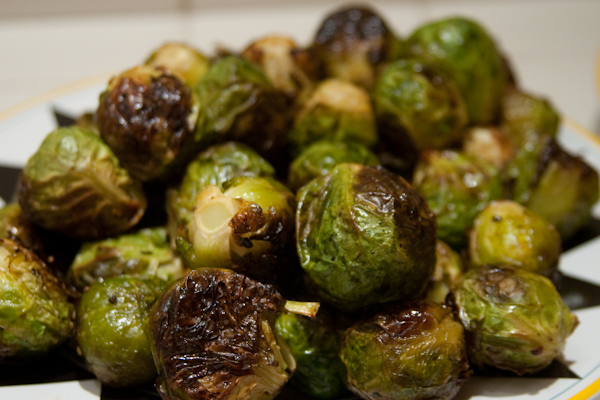
Carrots, parsnips, sweet potatoes, bell peppers, onions, and even Brussels sprouts hold surprising amounts of natural sucrose, glucose, and fructose. When you roast vegetables at 425°F or sear them cut-side down in a cast-iron skillet, surface water evaporates and those sugars caramelize into nutty, savory-sweet crusts. A halved Brussels sprout seared flat-side down until dark golden brown tastes sweet and nutty, with almost none of the cabbage-like odor of a boiled sprout.
Even if you prefer gentle moist-heat cooking such as steaming vegetables until crisp-tender, you can still layer deep flavor afterwards by tossing the hot florets in a warm aromatic oil infused with garlic, ginger, or toasted spices right before serving.
Pair Every Vegetable Family With Its Ideal Aromatics
Use this flavor-pairing matrix to season vegetables confidently without reaching for extra salt:
| Vegetable Group | Best Acid Partner | Best Spices & Herbs | Rich Finishing Note |
|---|---|---|---|
| Broccoli, Cauliflower & Brussels Sprouts | Fresh lemon juice & grated zest, aged balsamic vinegar | Garlic, crushed red pepper flakes, thyme, smoked paprika | Toasted slivered almonds, tahini drizzle, or pine nuts |
| Carrots, Sweet Potatoes & Winter Squash | Apple cider vinegar, fresh orange or lime juice | Ground cumin, coriander, ginger, cinnamon, rosemary | Toasted pepitas (pumpkin seeds) or a drop of maple syrup |
| Green Beans, Asparagus & Snap Peas | Lemon zest, sherry vinegar, or unseasoned rice vinegar | Shallots, fresh dill, tarragon, cracked black pepper | Toasted sesame seeds or crushed roasted hazelnuts |
| Leafy Greens (Spinach, Kale, Chard, Bok Choy) | Fresh lemon wedge or splash of cider vinegar | Sliced garlic, freshly grated nutmeg, fresh ginger | 1/2 tsp toasted sesame oil or extra-virgin olive oil |
| Zucchini, Eggplant & Bell Peppers | Red wine vinegar or fresh lime juice | Fresh basil, oregano, smoked paprika, garlic | Toasted pine nuts or a spoonful of warm marinara |
Step-by-Step: The Skillet Aromatics and Citrus Finish
Texture Contrasts That Make Vegetables Craveable
Palate fatigue often happens when an entire side dish has one uniform soft texture. Pairing tender roasted carrots with a spoonful of cool, tangy Greek yogurt and toasted cumin seeds—or topping steamed broccoli with crispy garlic slices and lemon zest—gives every bite temperature and crunch contrast. Check our guide on when to add herbs and spices while cooking so delicate herbs never lose their punch.
Quick Salt-Free Finishing Toppers
- Lemon-Garlic Breadcrumbs: Toast 1/4 cup whole-wheat panko in 1 teaspoon olive oil with garlic powder, black pepper, and grated lemon zest until crisp; scatter over cauliflower, green beans, or asparagus right before serving.
- Sesame-Ginger Drizzle: Whisk 1 teaspoon toasted sesame oil, 1 teaspoon unseasoned rice vinegar, and 1/2 teaspoon grated fresh ginger; toss with steamed bok choy, cabbage wedges, or snap peas.
- Balsamic-Shallot Glaze: Simmer 2 tablespoons balsamic vinegar with 1 minced shallot for 2 minutes until syrupy, then brush over roasted Brussels sprouts or carrots. Explore more ideas at USDA MyPlate and our Kitchen Tips and Techniques hub.
Key Takeaway
Browning natural sugars with dry heat, brightening with citrus zest or vinegar, infusing a teaspoon of olive oil with garlic, and topping with toasted seeds or nuts makes any vegetable dish flavorful without extra salt.
Sources:
- USDA MyPlate — Vary Your Veggies & Flavorful Preparation Tips (U.S. Department of Agriculture)