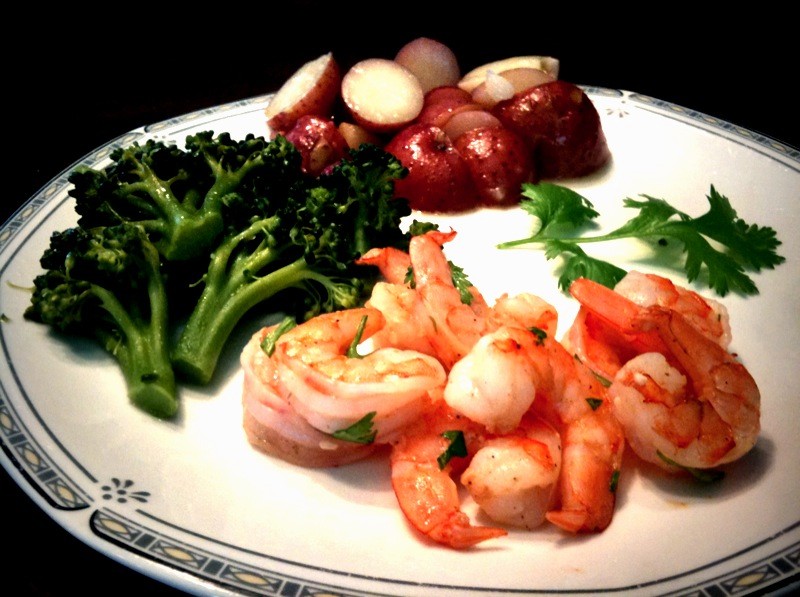
How to Steam Vegetables Without Making Them Soggy
Steamed vegetables turn soft and waterlogged when they sit in boiling water, crowd the basket, or stay over heat two minutes too long. Learn how water depth, lid control, and cut uniformity keep broccoli, green beans, and carrots bright and crisp-tender.
Why Steamed Vegetables Turn Soggy
When steamed produce comes out limp, olive-drab, and watery, the culprit is rarely the vegetable itself. Vapor transfers thermal energy rapidly—water vapor at 212°F (100°C) condenses on cool plant surfaces and softens pectin in cell walls within minutes. If florets or slices sit in rising bubbles because the pot holds too much water, the bottom layer boils while the top layer steams unevenly. By the time the upper pieces soften, the lower pieces have collapsed into mush.
Another frequent issue is residual carryover heat. Leaving broccoli, asparagus, or snap peas inside a covered saucepan after turning off the burner traps 200°F vapor around delicate cell walls for several extra minutes. Just 90 seconds of trapped steam can push vibrant green florets past their crisp-tender window and release sulfur compounds that dull both aroma and color. If you want to compare how moist vapor behaves against dry oven heat, see our guide on roasting vegetables for caramelized edges.
Equipment and Water Level Setup
You do not need an electric countertop appliance to get dependable results. A heavy-bottomed 3-quart or 4-quart saucepan paired with a collapsible stainless-steel steamer insert, a perforated metal colander, or a woven bamboo basket gives you complete control over vapor flow. Before turning on the stove, check the clearance beneath your basket: the perforated floor must sit at least 0.75 to 1 inch above the water surface so vigorous bubbling never splashes directly onto the produce.
For most 5-minute to 10-minute batches, pour 1 inch (roughly 1.5 to 2 cups in a medium pot) of cold tap water into the base. Dense root crops like cubed sweet potatoes or whole baby beets take 12 to 15 minutes and need closer to 1.5 inches of water so the pot never boils dry. Always inspect produce under cool running water before trimming, following FDA produce washing guidelines to remove surface grit from crevices.
Step-by-Step Steaming Method
Steaming Time Chart by Vegetable
Exact timing depends on cut thickness, how tightly the lid fits, and how fast your burner recovers after loading cold produce. Use the ranges below for 1 pound (about 4 cups) of trimmed vegetables over a steady medium-high boil:
| Vegetable & Cut Size | Target Steaming Time | Visual & Fork Doneness Cue |
|---|---|---|
| Spinach, chard, or baby kale (whole leaves) | 2 to 3 minutes | Leaves wilted and emerald green; stems pliable |
| Asparagus spears (medium thickness, trimmed) | 3 to 5 minutes | Bright green stalks that bend slightly without drooping |
| Broccoli florets (1.5-inch pieces, peeled stems) | 4 to 5 minutes | Vibrant forest-green tops; knife tip enters stalk with light snap |
| Green beans or wax beans (whole, stem ends snapped) | 4 to 6 minutes | Squeaky-crisp bite gone, pod remains firm and bright |
| Cauliflower florets (1.5-inch pieces) | 5 to 7 minutes | Translucent edges on stem; tender without crumbling |
| Carrots or parsnips (1/4-inch coins or batonnet) | 6 to 8 minutes | Fork pierces center cleanly; no chalky raw core |
| New potatoes or cubed sweet potatoes (1-inch cubes) | 10 to 13 minutes | Knife slides through center with zero crunch |
For additional strategies on preserving vibrant color and snap across blanching, sautéing, and steaming, read our detailed guide on how to keep vegetables crisp when cooking.
Seasoning After the Basket Comes Out
Salting the boiling water underneath a steamer basket does almost nothing for flavor because dissolved sodium chloride stays in the liquid rather than rising with pure water vapor. Instead, season vegetables the second you transfer them from the basket to a warm mixing bowl, while their surfaces are still hot and slightly damp.
Toss 4 cups of hot steamed greens or roots with 1 to 2 teaspoons of extra-virgin olive oil or toasted sesame oil, 1 teaspoon of fresh lemon juice or rice vinegar, grated garlic zest, and a pinch of flaky sea salt. The thin film of fat carries fat-soluble aromatics across every floret, while a splash of citrus brightens natural sweetness without heavy sauces. You can explore more low-sodium seasoning combinations in our article on how to make vegetables taste better without extra salt, or browse all guides in Healthy Cooking Methods and USDA MyPlate vegetable guidelines.
Common Steaming Mistakes and Fixes
- Vegetables taste watery and bland: Let the lifted steamer basket drain over the sink for 15 seconds, then spread the pieces on a dry towel or warm plate for 30 seconds before tossing with dressing so pooled condensation does not dilute your seasoning.
- Thick broccoli stalks are raw while florets are mushy: Peel the fibrous outer skin off thick broccoli stems and slice them into 1/4-inch coins, or place stem pieces in the steamer 90 seconds before adding the delicate tops.
- Pot boils dry mid-batch: Keep a kettle of hot water nearby when steaming root vegetables longer than 8 minutes; adding cold tap water stops vapor production for 2 minutes and throws off your timer.
Key Takeaway
Crisp-tender steamed vegetables come down to three habits: start with 1 inch of already-boiling water, cut pieces to matching thickness in a loose single layer, and lift the basket out the moment a fork meets gentle resistance.
Sources:
- USDA MyPlate — Vary Your Veggies Kitchen Preparation Guide (U.S. Department of Agriculture)
- FDA — Selecting and Serving Produce Safely (U.S. Food and Drug Administration)