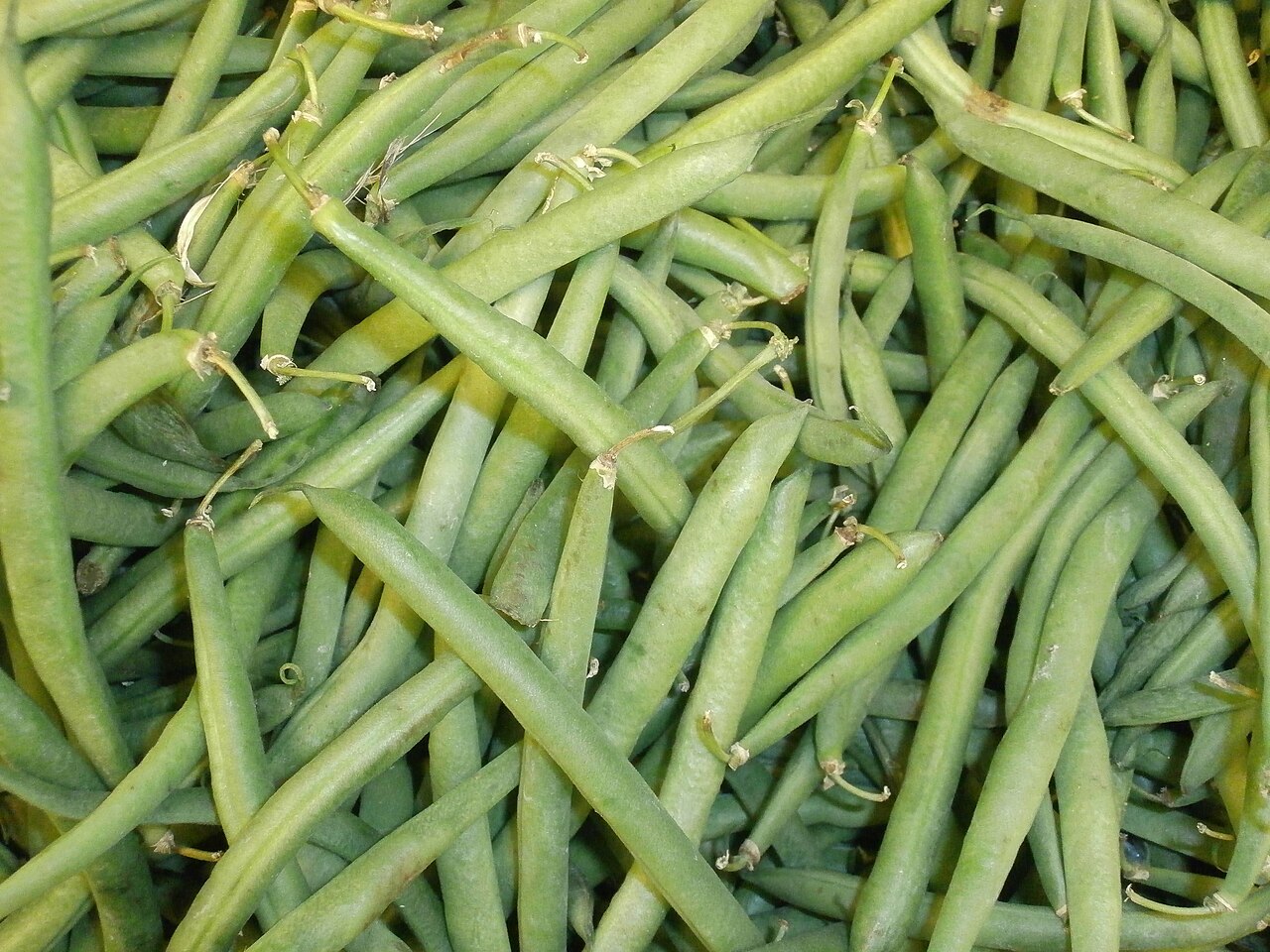
How to Keep Vegetables Crisp When Cooking
Green beans, snap peas, asparagus, and bell peppers lose their snap when cell walls overheat, sit in trapped steam, or get salted too early. Learn how blanch-and-shock, high-heat searing, and acid timing preserve crisp-tender bite.
The Science of Vegetable Crunch: Turgor and Pectin
When you bite into a raw snap pea or celery rib, the audible crunch comes from two structural features inside the plant: turgor pressure (water pressing outward against rigid cell walls) and pectin (the natural carbohydrate cement that glues neighboring plant cells together). Once a vegetable heats past 140°F (60°C), cell membranes lose their seal and water begins escaping. Above 185°F (85°C), hemicellulose and pectin start dissolving rapidly, turning crisp stalks soft and limp.
The goal of cooking green beans, broccoli, asparagus, snow peas, bok choy, and bell peppers is to heat the outer layers just long enough to expel raw air pockets (which turns green chlorophyll brilliant emerald) and soften tough cellulose slightly—while stopping the heat before pectin breaks down completely. Whether you are steaming florets in a basket or stir-frying in a hot wok, timing and heat removal determine whether your side dish snaps or sags.
Five Golden Rules for Crisp-Tender Vegetables
- Pull vegetables off the burner 60 seconds before they feel "fully done": Carryover heat inside hot florets and stalks continues softening pectin on the way to the dinner table. Stop cooking while the center still has a lively, toothsome bite.
- Transfer out of the hot pan immediately: Never leave cooked green beans or broccoli sitting in a hot cast-iron skillet or covered steamer pot while you plate the rest of the meal; slide them onto a wide ceramic platter right away.
- Never crowd the cooking surface: Piling more than a single layer into a skillet traps steam between pieces and drops metal temperature, stewing the vegetables instead of searing them.
- Hold off on acidic dressings until the very end: While acid slows pectin breakdown, tossing hot green vegetables with lemon juice or vinegar too early replaces magnesium ions in chlorophyll with hydrogen, turning bright green vegetables dull olive-brown within minutes.
- Dry washed produce thoroughly before oil cooking: Clinging tap water turns to steam on contact with hot oil and softens skins before browning can start.
Step-by-Step: The Blanch-and-Ice-Shock Technique
When preparing green beans, asparagus, broccolini, or sugar snap peas for salads, crudite platters, or quick weeknight sautes, blanching and shocking locks in both vivid green color and crisp bite:
When to Salt Watery Vegetables Like Zucchini and Mushrooms
Salt draws water out of plant cells through osmosis. When sauteing high-moisture vegetables like sliced zucchini, yellow summer squash, bok choy, or button mushrooms, sprinkling salt at the start of cooking pulls tablespoons of liquid into the skillet, forcing the slices to boil in their own juice. Instead, sear zucchini and mushrooms in a hot pan with a teaspoon of oil first until golden brown on both sides, then season with salt, pepper, and herbs during the final 30 seconds before serving.
Cooking Method Selector for Maximum Snap
| Vegetable | Best Method for Crisp Texture | Target Cook Time | Key Mistake to Avoid |
|---|---|---|---|
| Sugar snap peas & snow peas | High-heat wok stir-fry or 90-sec blanch | 90 seconds to 2.5 minutes | Covering the pan with a lid |
| Green beans (haricots verts) | Steam-sear in skillet or 3-min boil + shock | 3 to 5 minutes | Overboiling past the squeaky-tender stage |
| Bell peppers (sliced strips) | Dry pre-heated skillet sear over medium-high | 3 to 4 minutes | Adding peppers too early with dense carrots |
| Zucchini & summer squash | Thick 1/2-inch half-moons seared high, salted last | 4 minutes total (2 min per side) | Cutting thin coins and salting at minute zero |
Fixing Limp Vegetables Before Cooking
Proper storage in the refrigerator is half the battle for crisp cooked vegetables. Keep hardy roots, cabbages, and washed greens stored at the right humidity level using our guide on how to meal prep vegetables for the week, and review USDA MyPlate vegetable tips alongside all tutorials in Kitchen Tips and Techniques.
Key Takeaway
Keep vegetables crisp by cooking in uncrowded pans over brisk heat, salting watery squash and mushrooms at the very end, and removing vegetables from the hot pan 60 seconds before they feel completely soft.
Sources:
- USDA MyPlate — Vegetable Preparation & Nutrient Retention Guide (U.S. Department of Agriculture)