How to Reduce Food Waste When Cooking at Home
Household kitchens account for a major share of wasted food—mostly from forgotten produce, misunderstood date labels, and oversized portions. Learn practical FIFO fridge organization, stem-to-root cooking, and freezer rescue habits.
Why Healthy Home Cooks Accidentally Waste Fresh Produce
When people commit to cooking healthier meals at home, grocery carts fill up with leafy greens, fresh herbs, berries, and colorful vegetables. Yet fresh produce is also the single most discarded category in residential kitchens—not because cooks don't want to eat it, but because fragile greens get buried behind condiments in the back of the refrigerator, recipes call for only half a bunch of cilantro or celery, and busy weeknights derail ambitious recipes.
According to the U.S. Environmental Protection Agency (EPA), preventing wasted food at home saves the average household hundreds of dollars a year while conserving the water and energy used to grow and transport groceries. The most effective waste reduction strategies happen before food ever approaches spoilage: storing produce properly (see how to meal prep vegetables for the week), cooking edible stems and leaves, and using your freezer as a pause button.
Set Up a FIFO Refrigerator With an "Eat First" Zone
Restaurant kitchens rely on a simple inventory rule called FIFO (First In, First Out): new groceries go toward the back of the shelf, and older items move to the front. At home, create a clear plastic bin on your middle eye-level refrigerator shelf labeled "Eat First / Use Within 48 Hours." Whenever you have half a bell pepper, a handful of spinach, cooked leftover chicken, or an opened jar of salsa, place it in that bin so anyone opening the fridge sees it immediately before opening a new package.
Cook the Parts People Usually Throw Away
Roughly a quarter of the weight of many vegetables sits in stems, stalks, and leaves that are completely edible and packed with fiber and flavor:
| Commonly Discarded Part | How to Prep It | Best Culinary Use |
|---|---|---|
| Broccoli & Cauliflower Stems | Peel the tough outer 1/8-inch skin with a vegetable peeler; slice core into coins or matchsticks | Roast alongside florets, julienne into slaws, or toss into stir-fries (tastes like sweet kohlrabi) |
| Cilantro & Parsley Stems | Wash well and mince finely (avoid only woody rosemary/thyme stems) | Sauté with garlic and onions at the start of soups, curries, beans, or blend into dressings |
| Carrot, Beet & Radish Greens | Wash twice in cold water and spin dry | Sauté Beet/Radish greens with olive oil and garlic; blend carrot tops with nuts and lemon into pesto |
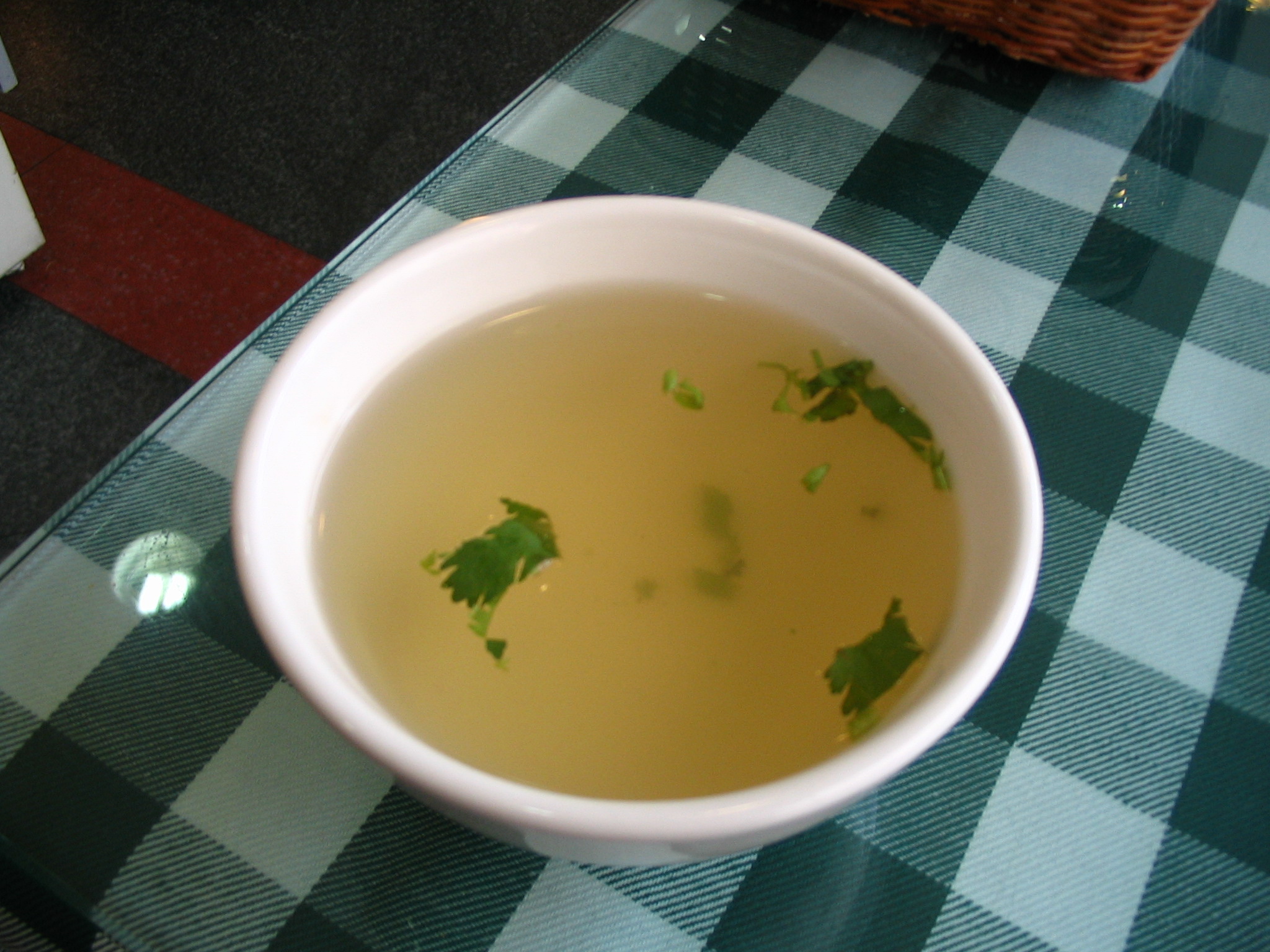
| Scallion Whites & Onion Ends / Celery Leaves | Freeze clean trimmings in a gallon freezer bag | Simmer with water, peppercorns, and a bay leaf for 45 minutes to make zero-cost vegetable broth |
| Stale Whole-Grain Bread Ends | Cube into 1/2-inch pieces or pulse in food processor | Toast at 375°F for 8 minutes into homemade salad croutons or whole-wheat breadcrumbs |
Step-by-Step: The Friday Fridge Cleanout and Freezer Rescue
Understanding "Best If Used By" Dates vs. Real Food Safety
According to USDA FSIS Food Product Dating, consumer confusion over printed date labels causes massive unnecessary food waste. With the exception of infant formula, printed dates on pantry staples, condiments, yogurt, and dry goods ("Best if Used By," "Sell-By," or "Enjoy By") refer to peak quality and flavor, not microbiological safety. Unopened pantry items like dried beans, whole grains, canned tomatoes, and spices remain safe long past their "Best By" date if stored cool and dry.
At the same time, never compromise on true perishable food safety: keep your refrigerator at or below 40°F (4°C), eat cooked leftovers within 3 to 4 days, and discard any food showing mold, off-odors, or swollen packaging. Explore more practical storage habits in our Healthy Meal Prep section.
Smart Shopping and Portion Planning Habits
Before buying a specialized ingredient for a single recipe, check whether you already have a healthy ingredient swap on hand—such as using plain Greek yogurt instead of buying a tub of sour cream or heavy cream that might sit half-used in the back of the fridge.
Key Takeaway
Keep an eye-level "Eat First" bin in a 40°F refrigerator, cook edible vegetable stems and greens, freeze extra grains and paste portions before they spoil, and distinguish quality-based "Best By" labels from strict 3-to-4-day leftover safety rules.
Sources:
- USDA — Food Product Dating (Best If Used By vs. Use-By) (USDA Food Safety and Inspection Service)
- EPA — Preventing Wasted Food at Home (U.S. Environmental Protection Agency)