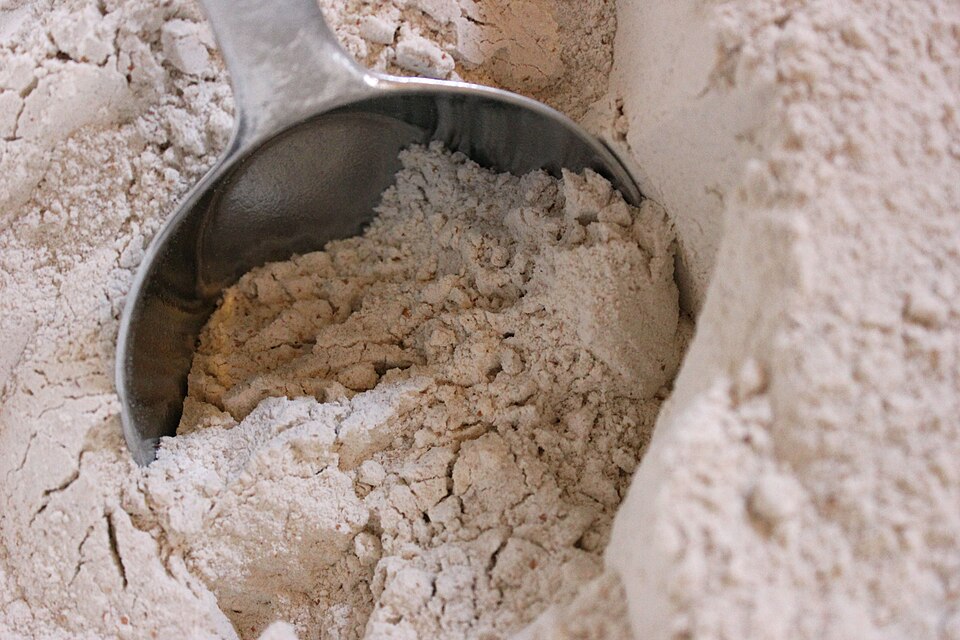
How to Substitute Whole Wheat Flour for All-Purpose Flour
Learn how to replace all-purpose flour with whole wheat flour in everyday baking. Compare substitution ratios, moisture adjustments, flavor, and texture across recipes.
How Whole Wheat Flour Changes a Recipe
All-purpose flour is milled primarily from the starchy endosperm, while whole wheat flour includes bran and germ. Those parts bring a deeper grain flavor and a more textured crumb, but they also absorb water and can interfere with gluten development. That is why a direct cup-for-cup swap can make a loaf dense or a muffin dry. The flour is not defective; the formula needs time and moisture to adapt. Treat the first batch as a calibration: weigh the flour, observe the dough after resting, and change one variable at a time instead of adding a large amount of liquid immediately.
Start with a Partial Replacement
A dependable first move is to replace 25% of the all-purpose flour with whole wheat flour by weight. In a familiar muffin, pancake, or quick bread, 50% can also work if the batter has enough moisture. For yeast bread, a partial swap gives you whole-grain flavor while preserving more of the stretch and rise supplied by all-purpose flour. A recipe calling for 400 grams of flour could begin with 100 grams whole wheat and 300 grams all-purpose. Once you know how that version behaves, increase the whole wheat portion in a later batch.
Adjust Liquid After the Flour Rests
Whole wheat flour may continue absorbing liquid for several minutes after mixing. Combine the ingredients until no dry flour remains, then let the dough or batter rest for 10 to 20 minutes before making a final liquid adjustment. The mixture should be hydrated but not soupy. Add liquid one tablespoon at a time for a batter or a small splash at a time for dough. Do not compensate with oil alone; oil changes tenderness but does not hydrate bran. Weighing flour and measuring liquid consistently makes this adjustment easier to repeat.
Use Different Ratios for Different Bakes
Bread dough needs enough strength to hold gas, so a 25% to 50% whole wheat substitution is a practical starting range. Muffins and quick breads can often tolerate 50% because chemical leaveners and moist ingredients support the crumb. Cookies may spread less and feel more substantial; start with 25% and watch the dough. Pancakes can handle a larger share if the batter is rested before cooking. Cakes with a delicate, fine crumb may be better with white whole wheat flour or a smaller substitution so the bran does not dominate the texture.
White Whole Wheat Flour as a Middle Option
White whole wheat flour is made from a lighter-colored wheat variety, but it is still whole grain flour. It can provide a gentler flavor and lighter appearance than traditional red wheat whole wheat flour while retaining the bran and germ. Use it when you want a less assertive taste in pancakes, muffins, or sandwich bread. It still needs hydration and may still produce a more textured crumb. The best choice depends on the recipe and your preference, not on a promise that one flour behaves exactly like all-purpose flour.
A Step-by-Step Flour Swap
Read the recipe and weigh its total flour. Replace a quarter of the all-purpose flour with whole wheat flour for the first trial. Mix the dry ingredients thoroughly so the bran is distributed, then add the wet ingredients and stir only until combined. Rest for 10 to 20 minutes, inspect the consistency, and add a small amount of liquid only if the mixture feels unusually stiff. Bake at the recipe temperature and check doneness by texture, not just the clock. Record the ratio, rest time, and result before changing the next batch.
Avoid a Dense or Dry Result
Dense bread can come from too much whole wheat, insufficient hydration, or overworking the dough. Dry muffins often come from measuring flour by a packed cup or baking beyond the point of doneness. Spoon flour into a measuring cup and level it, or use a scale. Mix just until the structure is formed, and pull quick breads when a tester shows a few moist crumbs rather than waiting for it to come out completely dry. If you are also changing fat or eggs, make one swap at a time; the approach used for moisture-conscious muffin changes can help you isolate the effect.
Flavor and Texture Expectations
A whole wheat substitution can add a nutty aroma, a darker color, and a slightly firmer bite. That is part of the ingredient’s character, not necessarily a flaw. Use warm spices, fruit, seeds, or toasted nuts when they complement the grain flavor. If the result feels too strong, reduce the percentage rather than masking it with extra sugar. In baking, texture is a system: flour, liquid, fat, leavening, and mixing all interact. A measured partial swap is more predictable than replacing the entire flour amount without adjusting the rest of the formula.
Build a Personal Substitution Chart
Keep a short note for each recipe family: bread, muffins, cookies, and pancakes. Record the whole wheat percentage, flour weight, liquid adjustment, rest time, and final texture. This chart becomes more useful than a universal conversion because different formulas hold water differently. For other baking changes, compare the measured approach in butter substitutions and egg substitutions.
Read the Dough, Not Just the Formula
A flour swap is ready when the dough or batter has the consistency the recipe needs. Bread dough should feel elastic enough to stretch without tearing immediately. Muffin batter should fall slowly from a spoon rather than pour like milk. Pancake batter can thicken during the rest, so loosen it just before cooking if needed. These observations are more useful than adding a fixed amount of water to every recipe. Whole wheat flour varies by brand and storage, and kitchen humidity changes how much liquid the flour appears to need.
Whole wheat flour can make a yeast dough feel tight because the bran cuts through developing gluten and the germ adds weight. Give the dough a short rest before kneading aggressively, then use gentle folds to build strength. If the dough remains dry after resting, add water gradually rather than dusting in more flour during shaping. For cookies, chill the dough only after its hydration is balanced; excessive flour on the work surface can make the baked result even firmer. These small timing changes preserve tenderness without pretending that a whole wheat cookie will have the exact texture of an all-purpose cookie.
When comparing two batches, slice them only after they have cooled enough to set. A warm whole wheat crumb can seem gummy even when the finished texture will be acceptable, while a hot muffin can lose moisture quickly if left uncovered. Compare height, tenderness, chew, and flavor separately. Decide which quality matters most for that recipe before changing the flour ratio. A pancake can be successful with a slightly darker and more textured crumb, while a celebration cake may need a smaller substitution.
Step-by-Step Checklist
- Weigh the recipe flour and start with a 25% whole wheat replacement.
- Mix, then rest the batter or dough for 10 to 20 minutes.
- Adjust liquid gradually after the rest, not all at once.
- Record the result before increasing the whole wheat percentage.
Sources:
- King Arthur Baking — Whole Wheat Flour (King Arthur Baking)
- USDA Food Safety and Inspection Service — Leftovers and Food Safety (U.S. Department of Agriculture)
- Wikimedia Commons — Whole_wheat_grain_flour_being_scooped.jpg (Wikimedia Commons)