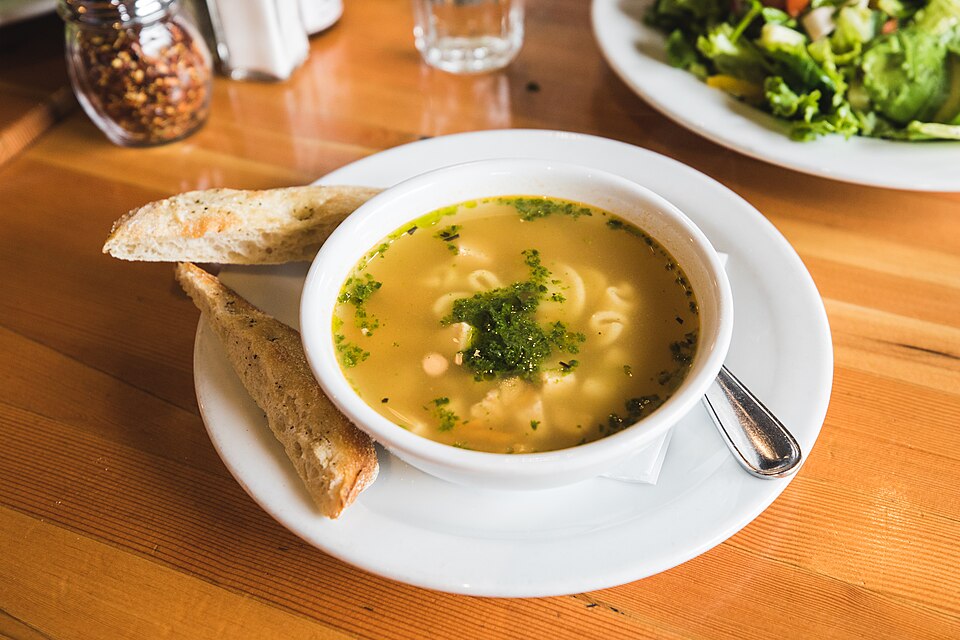
How to Freeze Homemade Soup in Portions
Learn how to cool, portion, package, and freeze homemade soup. Compare freezer containers, storage tips, thawing methods, and reheating instructions.
Which Soups Freeze Best
Clear broths, bean soups, lentil soups, chili, and many vegetable soups generally keep their structure well after freezing. The liquid protects the ingredients from drying, and sturdy vegetables do not depend on a delicate emulsion. Soups with dairy, potatoes, or pasta are more variable. Cream can separate, potatoes can become grainy, and noodles can swell or soften. That does not make these soups impossible to freeze; it means you should plan a finishing step. Freeze the base without pasta when possible, add freshly cooked noodles later, and stir cream into a gently reheated base rather than freezing a large amount of dairy in the pot.
Cool the Pot Before Portioning
A large hot pot takes too long to cool in the refrigerator. Divide soup into shallow smaller containers or set the pot in a sink of cold water and stir it with a clean utensil. Keep the soup protected from raw foods and move it into the refrigerator once the steam has reduced. The aim is to cool leftovers promptly, not to leave them on the counter for hours. When the soup is cold, portion it for the people who will eat it. Smaller portions freeze faster and are easier to thaw evenly than one deep container that must be reheated all at once.
Choose the Right Freezer Container
Rigid freezer-safe containers stack neatly and protect soup from bumps, but glass needs to be labeled freezer-safe and must not be filled while the soup is piping hot. Heavy freezer bags save space when laid flat; place each filled bag on a tray until solid, then stand the frozen portions like files. Leave expansion room at the top because soup increases in volume as it freezes. For wide containers, the headspace may be modest; for narrow containers, leave more. Never fill a container to the rim or seal a bag with trapped air and liquid pressing against the zipper.
Portion Soup for Real Meals
A single-serving portion is useful for lunch, while a larger family portion works for dinner. Use containers that match the meal instead of thawing a large block for one person. If the soup includes toppings, freeze the base alone and prepare herbs, yogurt, croutons, or grated cheese when serving. Label every container with the soup name, date, and portion size. A quick inventory on the freezer door helps you use the oldest batch first. This is especially useful alongside a safe leftover reheating routine and frozen cooked rice portions.
A Step-by-Step Freezing Method
First, finish seasoning the soup lightly because flavors can seem different after freezing. Cool it in shallow portions, then ladle into freezer-safe containers with clear expansion space. Wipe the rim before sealing so the lid can close completely. Label the container and place it on a level tray. Once frozen solid, move bags or boxes into their long-term position. Keep containers away from the freezer door if your door temperature changes often. Freeze noodles separately when possible. For creamy soup, freeze the non-dairy base and plan to add cream or milk during gentle reheating if the recipe allows it.
Thaw and Reheat Gently
The refrigerator is the easiest place to thaw a portion evenly. If you need it sooner, use a microwave-safe container and stir at intervals, or warm the frozen soup in a saucepan over low to medium heat with a lid slightly ajar. Add a splash of water or broth if the soup has thickened. Stir frequently near the bottom so the frozen center and hot edges equalize. Reheat until the soup is steaming throughout; for leftovers, the USDA recommends reheating to 165°F. Do not repeatedly cool and reheat the entire batch. Thaw only what you expect to serve.
Special Cases: Cream, Potatoes, and Noodles
Cream soups may separate into a thin liquid and small fat droplets. Gentle heat and steady whisking can bring the texture back together; a fresh spoonful of cream at the end may help. Potato pieces can become crumbly, so cut them slightly larger and avoid vigorous boiling. Noodles absorb broth in the freezer and during thawing, so cook them separately and add them to the hot soup at serving. Beans and lentils usually handle freezing well, although they may thicken the broth. Keep the adjustment small: add liquid gradually instead of flooding the pot.
Common Freezer Mistakes
The most common mistake is forgetting to label a container. A second is leaving too little headspace, which can pop a lid or split a bag. Do not stack hot containers directly in a crowded freezer because they can warm nearby food. Another mistake is freezing soup with crisp garnishes and expecting them to stay crisp. Package toppings separately. If you find a container with a heavy layer of ice, thaw it in the refrigerator and check its smell, texture, and date before deciding how to use it. When quality is poor or the history is unknown, discard it.
Build a Small Soup Rotation
Choose two or three freezer-friendly soups and portion them in a predictable size. Keep a simple list with the date and number of portions, then use one older portion before making a new batch. Pair soup with a fresh topping, bread, or a small portion of make-ahead lunch planning rather than freezing every component together. The freezer works best as an organized pantry, not a place to hide unlabeled leftovers.
Make Thawing Part of the Plan
Portioning is most useful when the next meal is already easy to imagine. Mark containers as single, double, or family portions, and note whether the soup contains dairy, potatoes, or noodles. Move a single portion to the refrigerator the night before, then reheat it in a small saucepan or covered microwave-safe bowl. Stir from the edges toward the center and add liquid only as needed. If the soup is for a packed lunch, reheat it thoroughly before transferring it to an insulated container and keep the container closed until serving.
For soups that contain beans or lentils, expect the broth to thicken after freezing because the cooked ingredients continue to absorb liquid as they cool. Reheat with a small amount of broth and taste before adding salt. For vegetable soups, keep the pieces large enough to hold their shape and avoid boiling them hard after thawing. If you plan to blend the soup, freezing is more forgiving: cool the base, freeze it in portions, and blend or finish it after reheating. The portion size should match the bowl or container you normally use, not an abstract freezer measurement.
Keep a marker and a small inventory note beside the freezer. Write the date in a consistent format and group similar portions together. When a container is nearly empty, use it before opening a newer batch. If a recipe needs a garnish or a starch, list that beside the soup so the frozen portion becomes a complete meal rather than another forgotten container. This organization also makes it easier to notice when a freezer is overfilled and air cannot circulate around the packages.
Step-by-Step Checklist
- Cool soup promptly in shallow portions.
- Use freezer-safe containers or heavy freezer bags.
- Leave expansion room and wipe the rim before sealing.
- Label, freeze flat when possible, and thaw only the portion you need.
Sources:
- USDA FoodKeeper — Soups and Stews (USDA FoodKeeper)
- USDA Food Safety and Inspection Service — Leftovers and Food Safety (U.S. Department of Agriculture)
- Wikimedia Commons — The_homemade_soup_in_lunch.jpg (Wikimedia Commons)