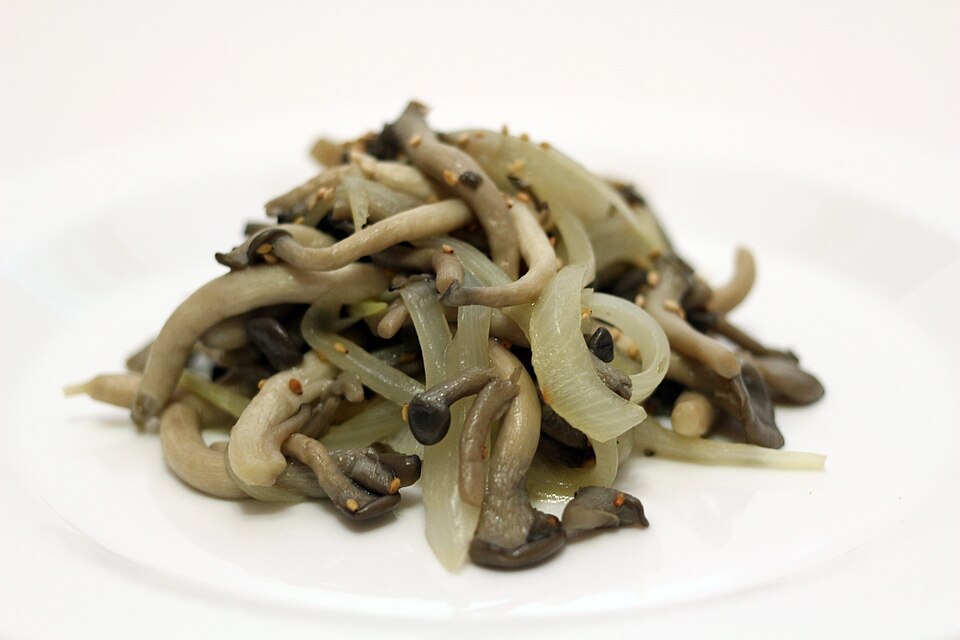
How to Cook Mushrooms Without Making Them Watery
Learn how to cook mushrooms with better browning and texture. Understand pan temperature, batch size, moisture control, and when to add seasoning.
Why Mushrooms Release So Much Water
Mushrooms are porous and contain a large amount of water. When several pieces enter a cool or crowded pan, they release moisture faster than the heat can evaporate it. The temperature drops, and the mushrooms simmer in a shallow pool instead of browning. Salt added at the very beginning can draw more moisture toward the surface, although salt is not the only cause of watery mushrooms. The fix is to control the conditions: use a wide hot pan, leave space, let water cook off, and season when the mushrooms have enough color to support the flavor.
Clean by Wiping or Rinsing Quickly
If mushrooms are lightly soiled, wipe them with a damp towel or brush. If they need rinsing, use cool water briefly and dry them immediately. Do not leave them soaking in a bowl. Water on the surface is not automatically a problem; the problem is carrying a wet pile into a pan and expecting the pan to evaporate everything at once. Trim the stem ends and slice pieces to similar thickness. Thick chunks can be cooked longer, while thin slices need attention sooner. The preparation should fit the final dish rather than follow a rigid cleaning rule.
Choose a Wide Pan and Preheat It
A wide skillet gives water room to evaporate and makes it easier to spread the mushrooms. Preheat the pan over medium-high heat until a drop of water disappears quickly, then add oil or butter. The fat should shimmer without smoking. A cold pan encourages sticking and steaming; an aggressively smoking pan burns the fat before the mushrooms develop color. If your pan is small, plan to cook in batches. The extra few minutes are faster than trying to rescue a crowded pan that has turned into a pot of gray mushrooms.
Avoid Crowding and Stir Less
Place mushrooms in one layer with a little space between pieces. If the first side is constantly moved, it cannot stay in contact with the hot pan long enough to brown. Let the mushrooms cook for 2 to 4 minutes before turning, depending on thickness and heat. Once the first side has color, toss or turn them to expose another surface. If liquid collects, keep cooking until it evaporates rather than adding more oil immediately. The goal is to move from wet to golden, not to keep the pan covered in fat.
A Step-by-Step Mushroom Sauté
Clean and dry the mushrooms, then slice them evenly. Heat a wide skillet, add a thin film of oil, and place the mushrooms in one layer. Leave them alone until the underside begins to brown. Turn and continue cooking as the released water evaporates. When the pan is mostly dry and the surfaces look golden, add salt, pepper, garlic, thyme, or another seasoning. Finish with a small amount of butter, broth, or acid only after the mushrooms have browned. This sequence gives the finishing ingredients a concentrated surface rather than a watery pan.
When to Add Salt and Sauce
Salt can be added near the end when you want the mushrooms to brown before seasoning. In a soup or braise, early seasoning is less important because the mushrooms are meant to contribute to a liquid. For a skillet side dish, delay wet sauces until after the mushrooms have color. Add garlic late enough that it does not scorch, and add herbs according to their strength. A splash of wine or broth will deglaze the pan, but it turns the dish saucy by design. Decide whether you want browned mushrooms or a simmered mushroom sauce before adding liquid.
Fix Pale, Wet, or Uneven Mushrooms
Pale mushrooms in a full pan need more surface area and stronger heat, not more stirring. Transfer them to a plate, wipe excess liquid from the pan if necessary, reheat, and cook in a smaller batch. If the mushrooms are browned but rubbery, they may have been cut too thin and cooked too long after the water disappeared. If the seasoning tastes flat, add it after browning and finish with a small bright ingredient. The same heat and spacing principles support stir-frying vegetables with less oil.
Choose the Texture You Want
For a firm browned side, use larger pieces and stop when the centers are tender. For a sauce, keep cooking after the first browning stage and add liquid deliberately. For a roast, spread mushrooms on a tray rather than crowding them in a skillet; the oven method in how to roast vegetables provides more open surface area. Mushrooms can be deeply browned without being dry, but the endpoint depends on the dish. A recipe should tell you whether you are building a crust, a sauce, or a soft filling.
A Reliable Mushroom Habit
Dry the mushrooms, heat the pan, cook in batches when needed, and delay wet seasoning until the water has evaporated. Those four habits solve most watery mushroom problems. Keep a wide pan and a plate nearby, and treat the first batch as a heat check for the rest. Once the pan is hot enough and the mushrooms have room, golden surfaces develop naturally without a large amount of oil.
Use the Pan as a Signal
The sound of the pan helps you decide what to do next. A steady sizzle means surface moisture is evaporating and the mushrooms are still receiving useful heat. A quiet steaming sound and visible liquid mean the pan is crowded or the heat has dropped. Leave the mushrooms alone while the liquid cooks away, or move half to a plate and continue in batches. When the sizzle returns and the edges begin to color, add seasoning. This makes the cooking process observable instead of dependent on a fixed minute count.
Do not cover a skillet while you are trying to brown mushrooms. A lid traps steam and returns the condensed water to the pan. Cover only after browning if you are deliberately finishing the mushrooms in a sauce or braise. For sliced mushrooms, keep the cuts slightly thicker than paper-thin so they retain a pleasant bite after their water has cooked off. For whole small mushrooms, score or halve them so the heat reaches the center before the outside becomes too dark. The correct cut is another way to control the time the pan needs.
Step-by-Step Checklist
- Clean briefly and dry mushrooms thoroughly.
- Preheat a wide pan and add a thin film of fat.
- Cook in one layer, leaving mushrooms undisturbed until browned.
- Add salt and wet seasonings after moisture has evaporated.
Sources:
- USDA FoodData Central — Mushrooms (USDA FoodData Central)
- USDA Food Safety and Inspection Service — Leftovers and Food Safety (U.S. Department of Agriculture)
- Wikimedia Commons — Neutaribokkeum_(stir-fried_oyster_mushrooms).jpg (Wikimedia Commons)